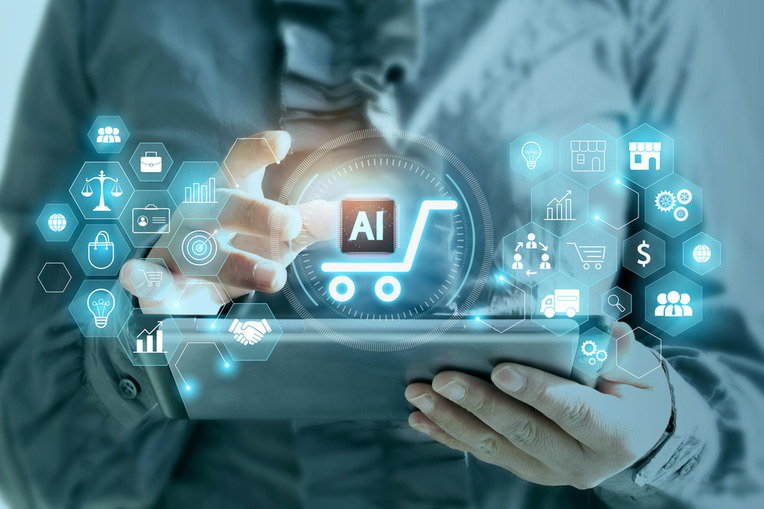
Push ads are now a powerful tool for marketers to instantly connect with customers in today’s digital environment. However, time, substance, and relevancy are key factors in their effectiveness. Push advertising may be transformed into a sophisticated hyper-personalization campaign with the use of artificial intelligence (AI). By offering real-time behavioural analysis, AI has transformed ads push by enabling systems to track user behaviour across websites and applications. Because AI can now anticipate user preferences, push advertisements that strategically advertise vegan food delivery services or healthy shopping bargains may be strategically placed. By gradually improving targeting models, machine learning—a branch of artificial intelligence—optimizes push marketing campaigns. By learning which material works best for certain audiences, AI algorithms make sure push advertisements are more and more successful with every encounter, reducing waste and improving return on investment. When compared to conventional manual segmentation techniques, this is a major improvement.
A potent AI skill called NLP, or natural language processing, allows AI systems to comprehend and produce human language, producing more conversational, captivating, and convincing communications. Because of the increased involvement and satisfaction, marketers are able to better target their marketing to specific client segments. AI also makes scaled segmentation possible by using behavioural and psychographic analysis of data to find micro-segments within big audiences. This aids companies in identifying specialised markets and adjusting their push advertising strategies appropriately. According to studies, AI-driven personalisation may boost the number of clicks by up to 200% and notification ads rate of opening by up to 60%. Because consumers believe that the company understands and values them, hyper-personalized push advertisements also help to increase customer loyalty and retention. This strengthens the bond between customers and businesses, resulting in experiences that go beyond simple business dealings.
Data protection, managing intricate legal frameworks like the CCPA and GDPR, and guaranteeing transparent data practices are some of the problems associated with integrating AI into what are push ads and push advertising. With the emergence of wearable technology, virtual reality, and voice assistants opening up new avenues for personalisation, push advertising AI is predicted to become much more advanced in the future.